Window installer accreditations explained
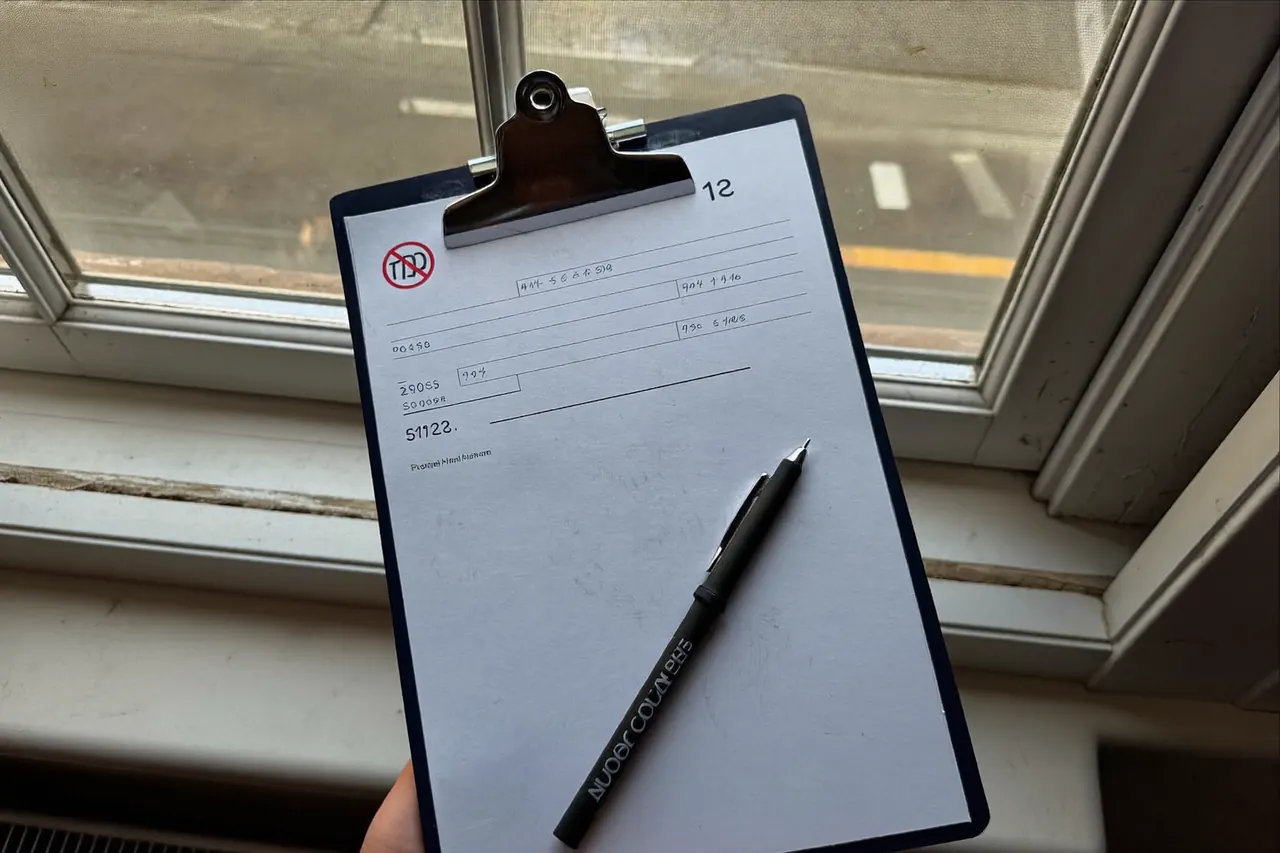
Every window company seems to display a wall of logos, but only a handful of accreditations genuinely mean something. Knowing what each window installer accreditation covers — and how to check it is real — is one of the quickest ways to separate a legitimate firm from a chancer. Here is what the main schemes actually do.
FENSA
FENSA (the Fenestration Self-Assessment Scheme) is the best known. When replacement windows and doors are installed in England or Wales, they must comply with Building Regulations, particularly around thermal performance. A FENSA-registered installer can self-certify that the work meets those standards and register it with your local authority for you, saving you the cost and hassle of a separate building-control application. After the job you should receive a FENSA certificate — a document conveyancing solicitors ask for when you sell the property, so it is worth more than it first appears.
CERTASS
CERTASS is a competent-person scheme that does much the same job as FENSA: it lets registered installers self-certify Building Regulations compliance and issue a certificate for the work. Some excellent firms are CERTASS-registered rather than FENSA-registered, so do not treat one as superior — treat either as the baseline you expect. What matters is that the company can give you a membership number you can confirm on the scheme's own register, not a logo that could be copied from anywhere.
Want accredited installers only? Get matched with FENSA or CERTASS-registered companies in your area.
Find UK companies →TrustMark
TrustMark is a government-endorsed quality scheme covering a wide range of home-improvement trades, not just windows. A TrustMark-registered business has been checked for technical competence, trading practices and customer service, and agrees to a dispute-resolution process. It is a useful additional signal of a firm that takes standards seriously, particularly for larger projects, though it is not a substitute for the Building Regulations certification that FENSA or CERTASS provide.
How accreditation links to your protection
Accreditation and guarantees go hand in hand. Many scheme members offer an insurance-backed guarantee that protects your workmanship warranty if the company stops trading, and reputable firms will also explain how your money is safeguarded before installation begins. Accreditation is really the entry ticket; the guarantees are what protect you afterwards. Both are part of understanding what makes an installer genuinely vetted.
Verify, don’t assume
The golden rule is simple: never take a badge at face value. Ask for the registration number, look it up on the scheme's public register, and confirm the company name matches. A legitimate installer expects this and makes it easy. Choosing a properly accredited firm is also an investment in longevity — well-fitted, standards-compliant windows are a big part of the reason quality windows can last for decades. Get that foundation right and everything else about the job becomes lower-risk.
Skip the badge-checking — we match you with accredited local installers so you can compare free, no-obligation quotes.
Find UK companies →