Deposit protection for window work
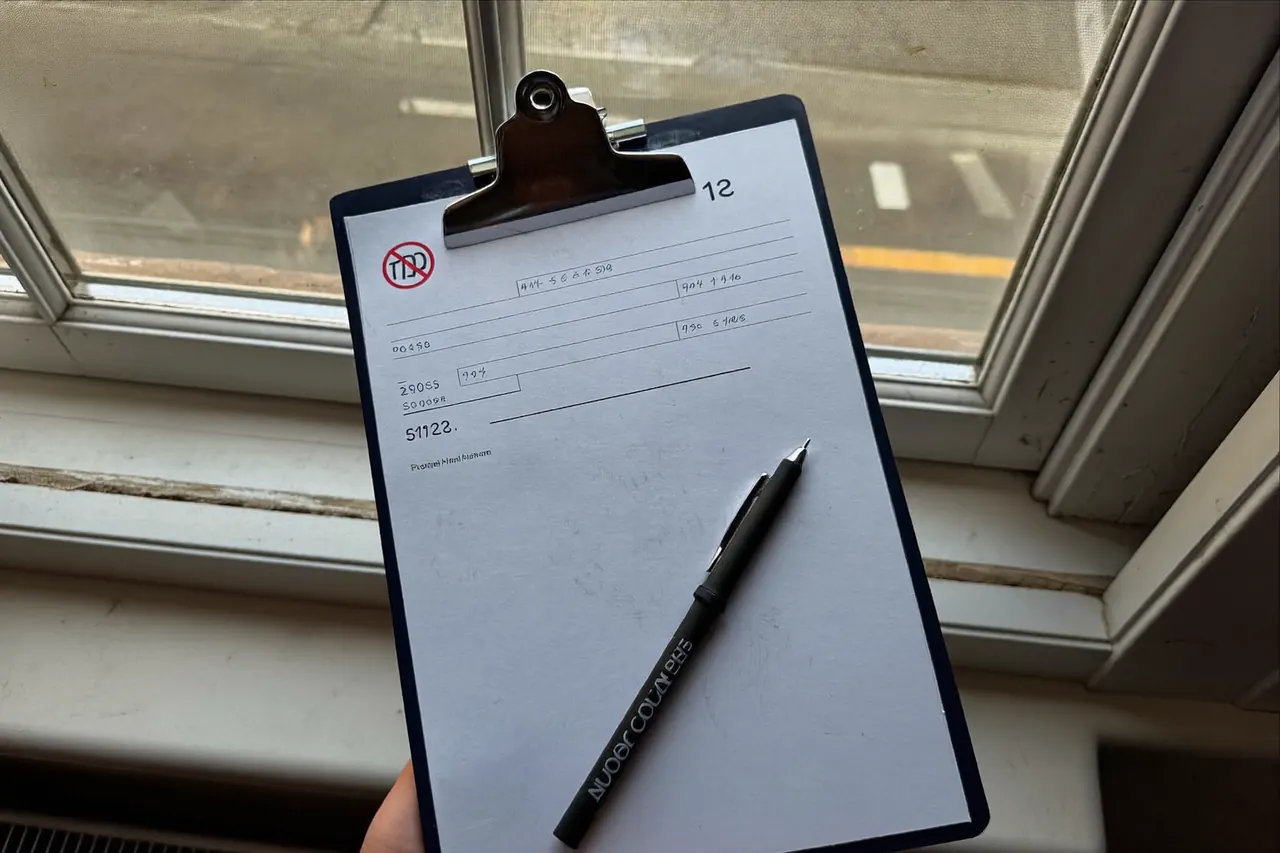
Most window installations involve paying something up front — frames are usually made to measure, so a deposit covers the cost of manufacture. That is perfectly normal. What is not normal is handing over a large sum with nothing safeguarding it. Deposit protection is the mechanism that keeps your money secure between paying and the job being completed, and understanding it will save you a great deal of worry.
Why deposits exist — and how big they should be
A reasonable deposit reflects the cost of bespoke materials, typically a modest percentage of the total rather than most of it. Be cautious if a firm asks for a very high proportion up front, wants the balance long before installation, or pushes for cash. A confident, well-run company does not need your money to fund its day-to-day cash flow. Comparing several quotes helps here, because it quickly shows you what a normal deposit structure looks like — one reason it pays to gather more than one window quote before committing.
How deposit protection works
Reputable installers, particularly those in recognised schemes, often offer a deposit-protection arrangement. This usually means your deposit is insured or held in a way that returns it to you if the company fails to deliver — for example if it stops trading before your windows are fitted. Some competent-person schemes include deposit protection as a membership benefit, so it is closely linked to the accreditations a firm holds. It is worth reading how those installer accreditations work, because the badge on the door often signals the protection behind it.

Prefer installers who protect your money? Get matched with accredited companies and compare their terms.
Find UK companies →Extra safeguards worth knowing
Where possible, pay your deposit by credit card. Under Section 75 of the Consumer Credit Act, card providers can share liability for purchases within a qualifying range, giving you an additional route to recover money if something goes badly wrong. Always get a written contract that states the deposit amount, what it covers, the agreed timescale and your cancellation rights — you generally have a cooling-off period on contracts agreed at home. Never rely on a verbal assurance; if it is not written down, it does not exist.
Deposit protection and your wider cover
Think of deposit protection as guarding the front end of the job and an insurance-backed guarantee as guarding the back end. One protects the money you pay before work starts; the other protects the workmanship long after it finishes. A window company that offers both, in writing, is demonstrating exactly the kind of accountability you want. If an installer bristles at straightforward questions about deposits and contracts, treat that reaction as information — and keep looking.
Questions worth asking before you pay
Before you hand over a penny, put a few plain questions to the installer and note the answers in writing. How much is the deposit, and what exactly does it cover? Is it protected, and if so, through which scheme or insurer? When is the balance due — on completion, or before? What are your cancellation rights, and how long is the cooling-off period? A confident, well-run firm answers all of these without hesitation, because it has nothing to hide and does not depend on your deposit to keep the lights on. Vague or evasive answers, or pressure to pay more up front than the materials could reasonably cost, are your cue to pause. Comparing how different companies structure their deposits is genuinely revealing, and it is one more reason a short shortlist beats saying yes to the first salesperson through the door.
Compare transparent, no-obligation quotes from vetted installers — subject to eligibility and a home survey.
Find UK companies →